Are you throwing or breaking things when angry?
Nov 15, 2025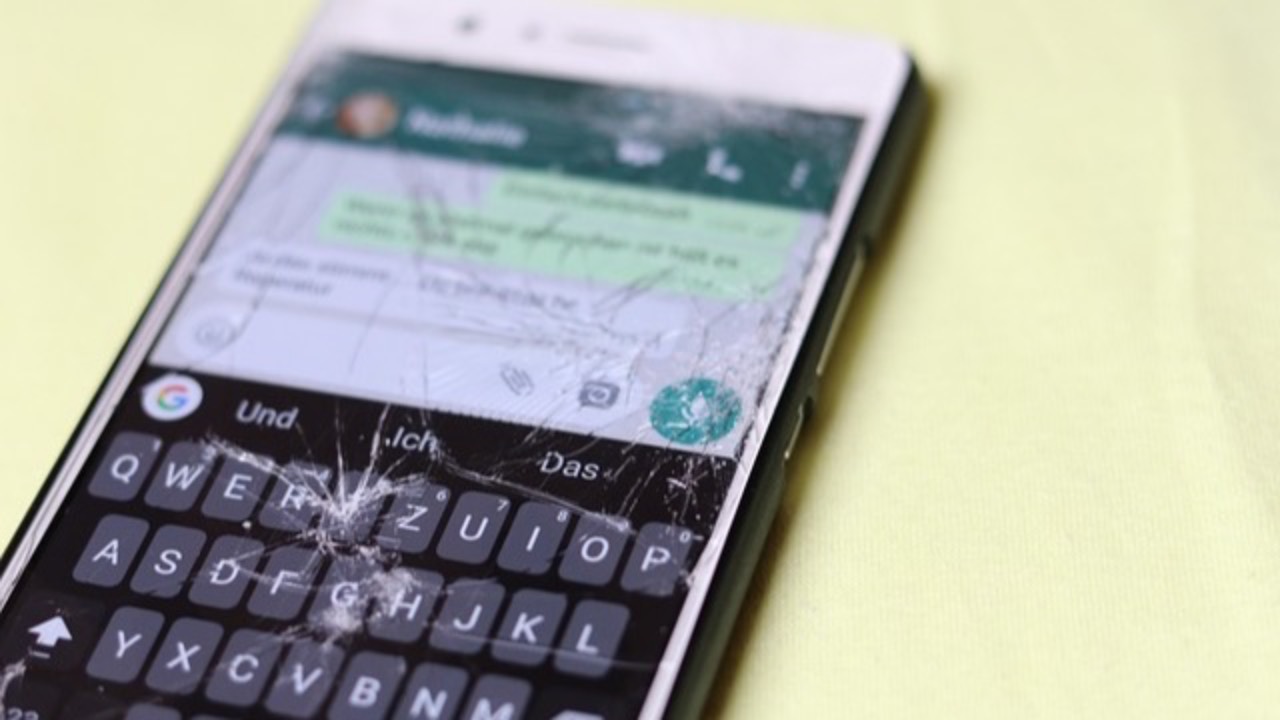
Have you ever seen someone throw a remote across the room in a fit of rage, or smash a plate against the wall in frustration? While it might seem dramatic, this type of behavior is more common than you might think. Anger can sometimes bubble over and manifest in destructive ways. But why do people resort to throwing or breaking things when they’re angry, and how can they learn to channel that energy in healthier ways?
Why Do People Throw or Break Things in Anger?
- Expression of Intense Emotion
- For many, throwing or breaking objects serves as a physical outlet for overwhelming feelings. When emotions like anger, frustration, or sadness become too intense to articulate, some individuals resort to physical acts to release that pent-up energy. It’s a way of saying, “I can’t take this anymore!”
- Lack of Coping Mechanisms
- People who frequently express anger through destructive behavior may lack effective coping strategies. They may not have learned healthier ways to process and express their emotions, leading them to resort to physical actions instead.
- Feeling Powerless
- Throwing or breaking things can give individuals a sense of control in situations where they feel powerless. In moments of frustration, breaking an object can become a way to reclaim a sense of agency, even if it’s temporary and misguided.
- Cultural or Environmental Influences
- In some environments, particularly those where aggression is normalized or modeled, individuals may learn that exhibiting anger through physical means is an acceptable response. This can create a cycle where destructive behavior is perpetuated.
- Immediate Release of Tension
- The immediate relief that comes from throwing something can feel satisfying and provide a quick release of built-up tension. However, this relief is often short-lived and can lead to feelings of guilt or regret afterward.
How to Better Deal with Anger
While it’s natural to feel angry from time to time, it’s essential to find healthier ways to manage and express those emotions. Here are some strategies to consider:
- Pause and Breathe
- When anger strikes, take a moment to pause and breathe deeply. This simple act can help calm your mind and body, allowing you to think more clearly about how to respond.
- Identify Triggers
- Take note of what specifically triggers your anger. Understanding these triggers can help you anticipate and prepare for situations that might lead to destructive behavior.
- Find Healthy Outlets
- Instead of throwing objects, channel your anger into physical activities. Go for a run, hit the gym, or try a martial arts class. Physical exertion can help release pent-up energy in a constructive way.
- Express Yourself
- Find ways to articulate your feelings. Journaling, talking to a friend, or engaging in creative outlets like art or music can provide an emotional release without resorting to anger-driven actions.
- Practice Mindfulness
- Mindfulness techniques, such as meditation or yoga, can help you become more aware of your emotions and develop healthier responses to anger.
- Seek Professional Help
- If anger becomes overwhelming or leads to destructive behavior, consider seeking professional support. A therapist can help you explore the roots of your anger and develop effective coping strategies.
- Create a “Calm Down” Kit
- Assemble a kit with items that help you relax when you feel anger rising. This could include stress balls, calming essential oils, or soothing music playlists.
- Use Humor
- Sometimes, laughter is the best medicine. When you find yourself getting angry, try to inject humor into the situation. It can lighten your mood and shift your perspective.
- Set Boundaries
- If certain situations or people consistently trigger your anger, consider setting boundaries to protect your emotional well-being.
- Reflect on Consequences
- After moments of anger, take time to reflect on the consequences of your actions. Consider how throwing or breaking things affects your relationships and your environment. This reflection can motivate you to choose healthier responses in the future.
Conclusion
Anger is a natural and normal emotion, but how we express it matters greatly. By understanding the reasons behind destructive behaviors like throwing or breaking things and implementing healthier coping strategies, individuals can learn to manage their anger more effectively. Remember, it’s okay to feel angry, but it’s essential to channel that energy into constructive outlets that promote emotional well-being. Embracing healthier responses can lead to stronger relationships, improved mental health, and a more peaceful life.
Follow-Up
Have you or someone you know struggled with managing anger? What strategies have you found helpful in dealing with intense emotions? Share your thoughts or experiences in the comments below!